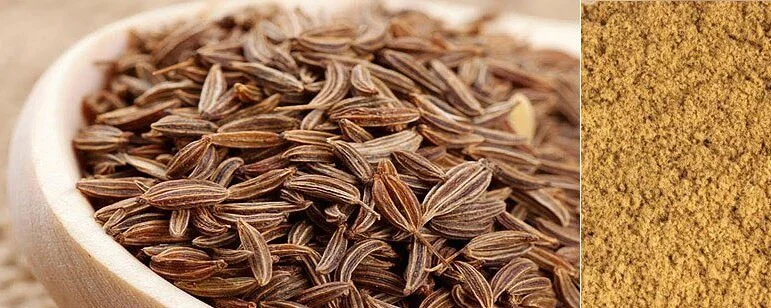
Cumin is one of the oldest and most widely used spices in the world. For centuries, it has been valued not only for its warm, earthy flavor but also for its medicinal properties. Modern scientific research now confirms many of these traditional uses.
Here is what peer-reviewed studies and health authorities say about the proven health benefits of cumin.
1. Cumin Increases Antioxidant Intake
Cumin seeds are rich in plant compounds called flavonoids and alkaloids. These act as antioxidants, which help protect your body from oxidative stress caused by free radicals.
According to a 2018 review published in the Journal of Evidence-Based Integrative Medicine, cumin demonstrates significant free radical scavenging activity. Regular consumption of antioxidant-rich spices like cumin may reduce the risk of chronic diseases, including heart disease and certain cancers.
2. Cumin Promotes Healthy Digestion
Cumin has been traditionally used to treat digestive disorders. Research supports this use.
A clinical trial published in the Middle East Journal of Digestive Diseases in 2013 found that cumin extract significantly improved symptoms of irritable bowel syndrome (IBS), including abdominal pain, bloating, and urgency.
Additionally, cumin stimulates the secretion of pancreatic enzymes, which are necessary for proper digestion and nutrient absorption.
3. Cumin Provides Dietary Iron
Cumin is an excellent source of iron. According to the USDA FoodData Central, just one teaspoon of ground cumin provides approximately 1.4 mg of iron. This is about 17% of the daily recommended intake for adult women and 8% for adult men.
Iron is essential for the production of hemoglobin, which carries oxygen in red blood cells. Iron deficiency is the most common nutritional deficiency worldwide and can lead to anemia, fatigue, and impaired immune function.
4. Cumin May Improve Blood Sugar Control
Several studies have examined the effect of cumin on blood glucose levels.
A 2017 randomized controlled trial published in Complementary Therapies in Clinical Practice gave 95 individuals with type 2 diabetes either 100 mg of cumin extract or a placebo daily for eight weeks. The group receiving cumin showed significant reductions in fasting blood sugar, insulin levels, and insulin resistance compared to the placebo group.
Another study published in the Journal of Medicinal Food in 2005 found that taking 2 grams of powdered cumin daily for eight weeks reduced blood glucose levels in people with type 2 diabetes.
5. Cumin May Reduce Food-Borne Illnesses
Cumin possesses natural antimicrobial properties. Research published in the International Journal of Food Microbiology in 2010 demonstrated that cumin essential oil inhibits the growth of several food-borne pathogens, including E. coli, Salmonella, and Listeria monocytogenes.
The active compounds in cumin, including cuminaldehyde, appear to disrupt bacterial cell membranes, making it a natural food preservative when added to meals.
6. Cumin Supports Healthy Blood Cholesterol Levels
Several studies have examined the effect of cumin on cholesterol.
A 2014 meta-analysis published in the Journal of Herbal Medicine reviewed multiple clinical trials and concluded that cumin consumption significantly reduced total cholesterol, LDL (“bad”) cholesterol, and triglycerides while increasing HDL (“good”) cholesterol.
The cholesterol-lowering effect is attributed to the high levels of phytosterols in cumin, which compete with dietary cholesterol for absorption in the intestines.
Important Notes
- Most studies used cumin extract or powdered cumin in doses ranging from 100 mg to 2 grams daily.
- Cumin is safe for most people when consumed in food amounts.
- If you are taking diabetes medication or blood thinners, consult your healthcare provider before taking cumin supplements, as it may interact with these drugs.
- Pregnant women should avoid large medicinal doses of cumin, though culinary amounts are considered safe.
How to Use Cumin for Health Benefits
- Add to meals: Sprinkle ground cumin on roasted vegetables, rice, lentils, or soups.
- Make cumin tea: Steep one teaspoon of whole cumin seeds in hot water for 10 minutes. Strain and drink.
- Toast whole seeds: Lightly toast cumin seeds in a dry pan to enhance flavor and bioavailability.
Summary Table of Proven Benefits
| Health Benefit | Evidence Level |
|---|---|
| Antioxidant protection | Strong |
| Digestive health improvement | Moderate to strong |
| Iron source | Strong |
| Blood sugar control | Moderate |
| Antimicrobial against food-borne pathogens | Moderate |
| Cholesterol reduction | Moderate |
Scientific Sources
- Jafari, S. et al. (2017). The effect of cumin on glycemic parameters in patients with type 2 diabetes. Complementary Therapies in Clinical Practice
- Srinivasan, K. (2018). Cumin (Cuminum cyminum) as a potential dietary antioxidant. Journal of Evidence-Based Integrative Medicine
- Shayani, N. et al. (2013). The effect of cumin extract on symptoms of irritable bowel syndrome. Middle East Journal of Digestive Diseases
- USDA FoodData Central. Spices, cumin seeds. Reference: 171,327
- Shetty, R. et al. (2010). Antimicrobial activity of cumin essential oil against food-borne pathogens. International Journal of Food Microbiology
- Hosseini, M. et al. (2014). The effects of cumin on lipid profile: A systematic review and meta-analysis. Journal of Herbal Medicine