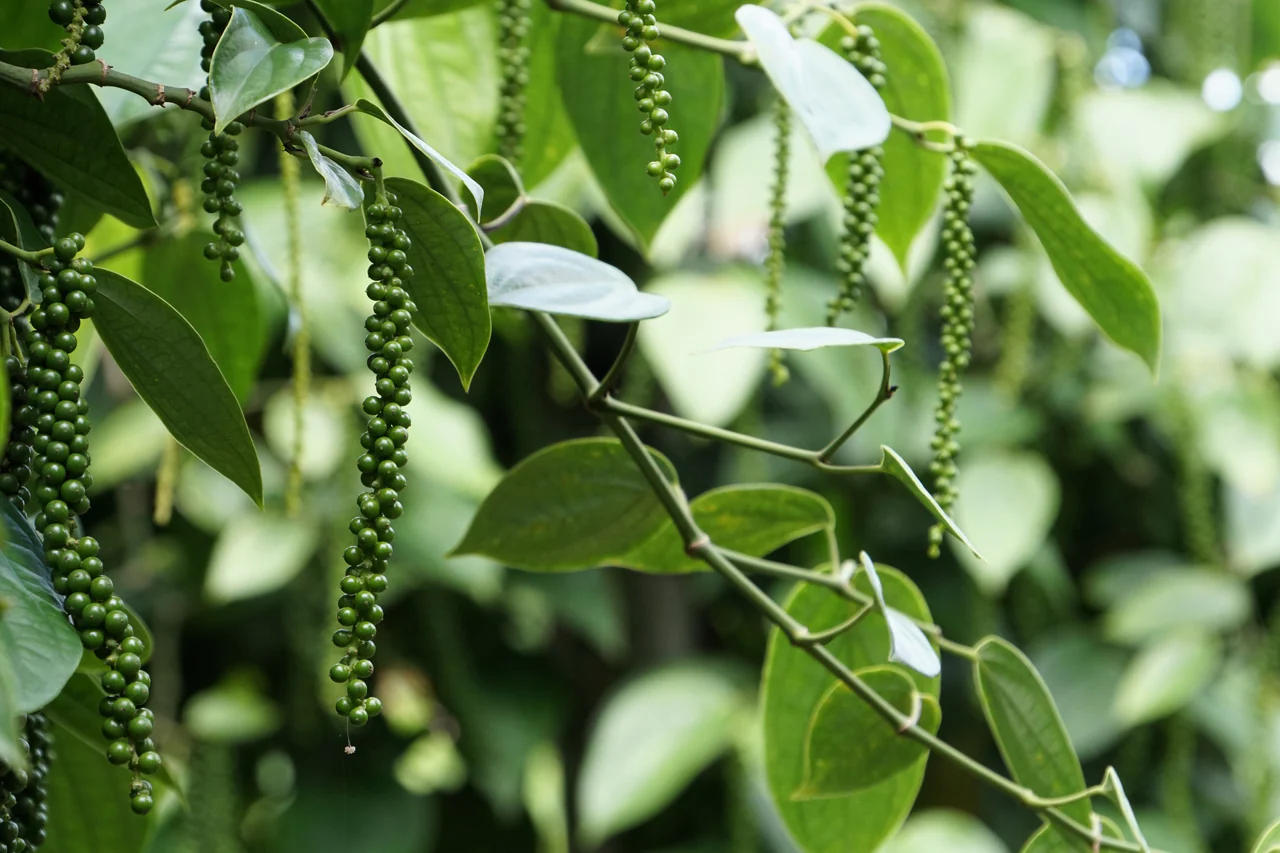
Black pepper is often called the king of spices, and for good reason. It sits on almost every dining table in the world. But beyond its sharp, pungent flavor, black pepper holds a secret, a compound called piperine. Piperine is what gives pepper its heat, but more importantly, it dramatically increases the absorption of other nutrients, including the curcumin in turmeric, by up to 2,000%.
Research published in the journal Critical Reviews in Food Science and Nutrition confirms that piperine has powerful antioxidant and anti-inflammatory properties. It has also been shown to support digestive health by stimulating the release of digestive enzymes from the pancreas. A 2019 study in the Journal of Cellular Physiology found that piperine may help improve insulin sensitivity and reduce markers of oxidative stress in people with metabolic syndrome.
Beyond these benefits, black pepper has demonstrated antimicrobial potential against food-borne bacteria and may even support weight management by interfering with fat cell formation. To get the most from black pepper, always grind it fresh just before eating. Add it to eggs, soups, salads, meats, and especially any dish containing turmeric so your body can absorb more curcumin.
Sources: Critical Reviews in Food Science and Nutrition, Journal of Cellular Physiology (2019)