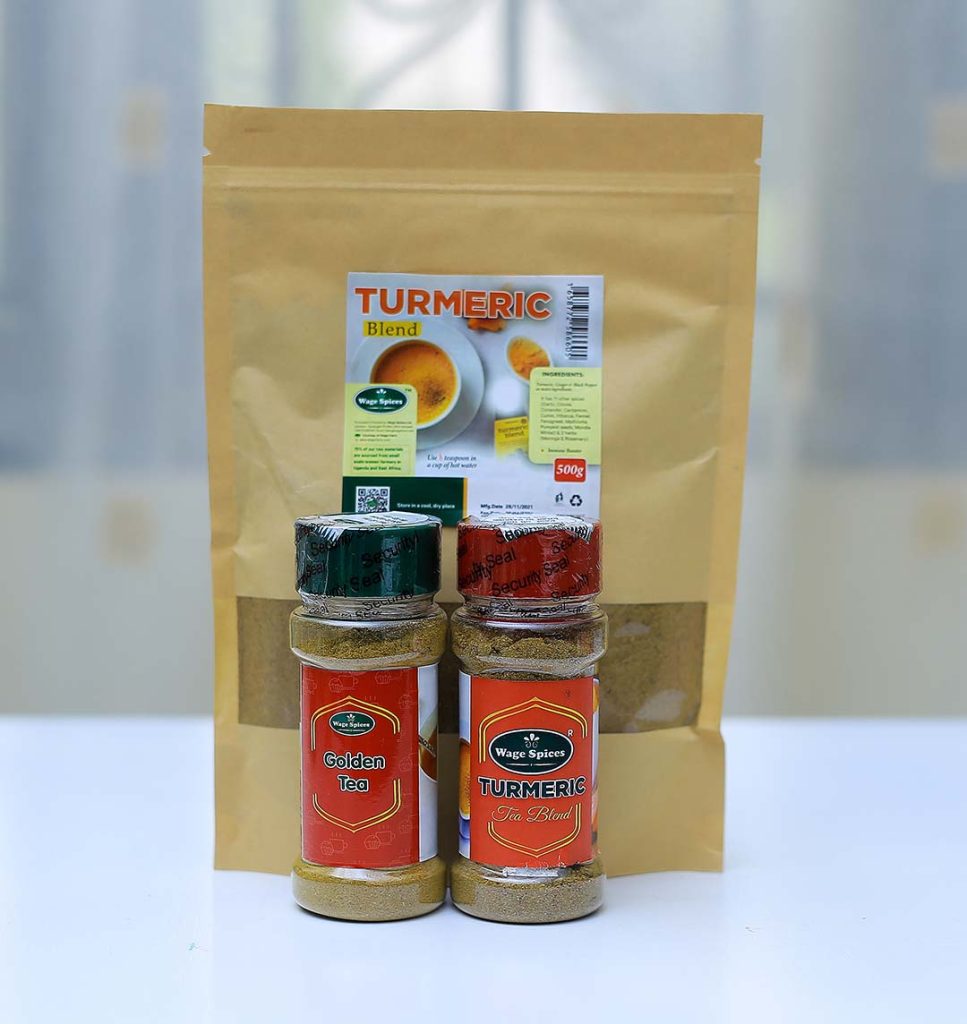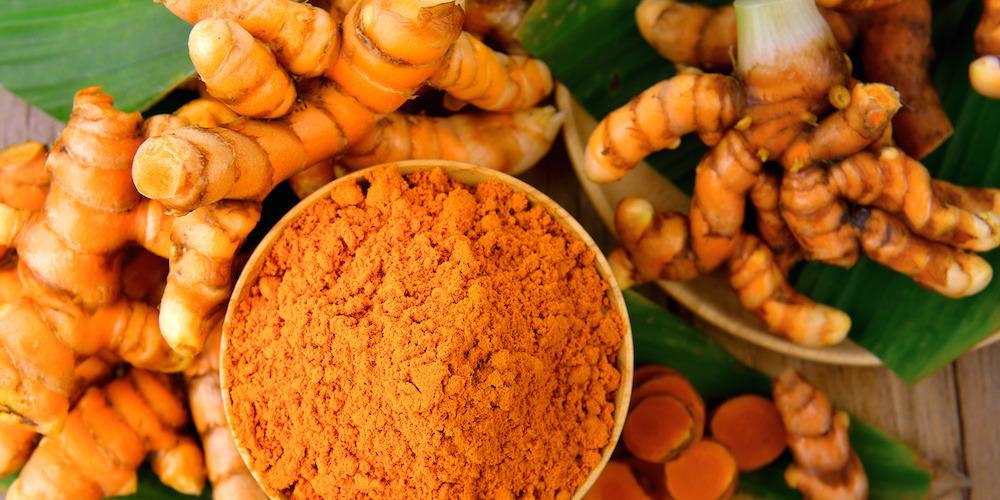
Turmeric has been called liquid gold for good reason. This bright yellow spice has been used in Ayurvedic medicine for so many years, primarily to reduce inflammation. Modern science has identified curcumin as the active compound responsible for most of turmeric’s healing properties. Unlike many anti-inflammatory drugs that can harm the liver and kidneys, curcumin works gently yet effectively throughout your entire body.
A 2017 meta-analysis published in the Journal of Medicinal Food reviewed 8 randomized controlled trials and found that curcumin significantly reduced markers of inflammation, including C-reactive protein (CRP). For arthritis sufferers, a 2016 trial in the journal Trials showed that curcumin was as effective as ibuprofen at reducing pain in patients with knee osteoarthritis, without the stomach side effects. Research also suggests curcumin may improve heart health by enhancing the function of the endothelium, the lining of your blood vessels.
Perhaps most exciting is emerging evidence on brain health. A 2018 study in the American Journal of Geriatric Psychiatry found that daily curcumin supplementation improved memory and attention in adults without dementia. To unlock turmeric’s benefits, always pair it with black pepper, which contains piperine, a compound that increases curcumin absorption by 2,000%. Add turmeric to curries, golden milk, soups, or even smoothies.
Sources: Journal of Medicinal Food (2017), Trials (2016), American Journal of Geriatric Psychiatry (2018)